Pragmatic Innovation in Software Development: Building Better Without the Hype
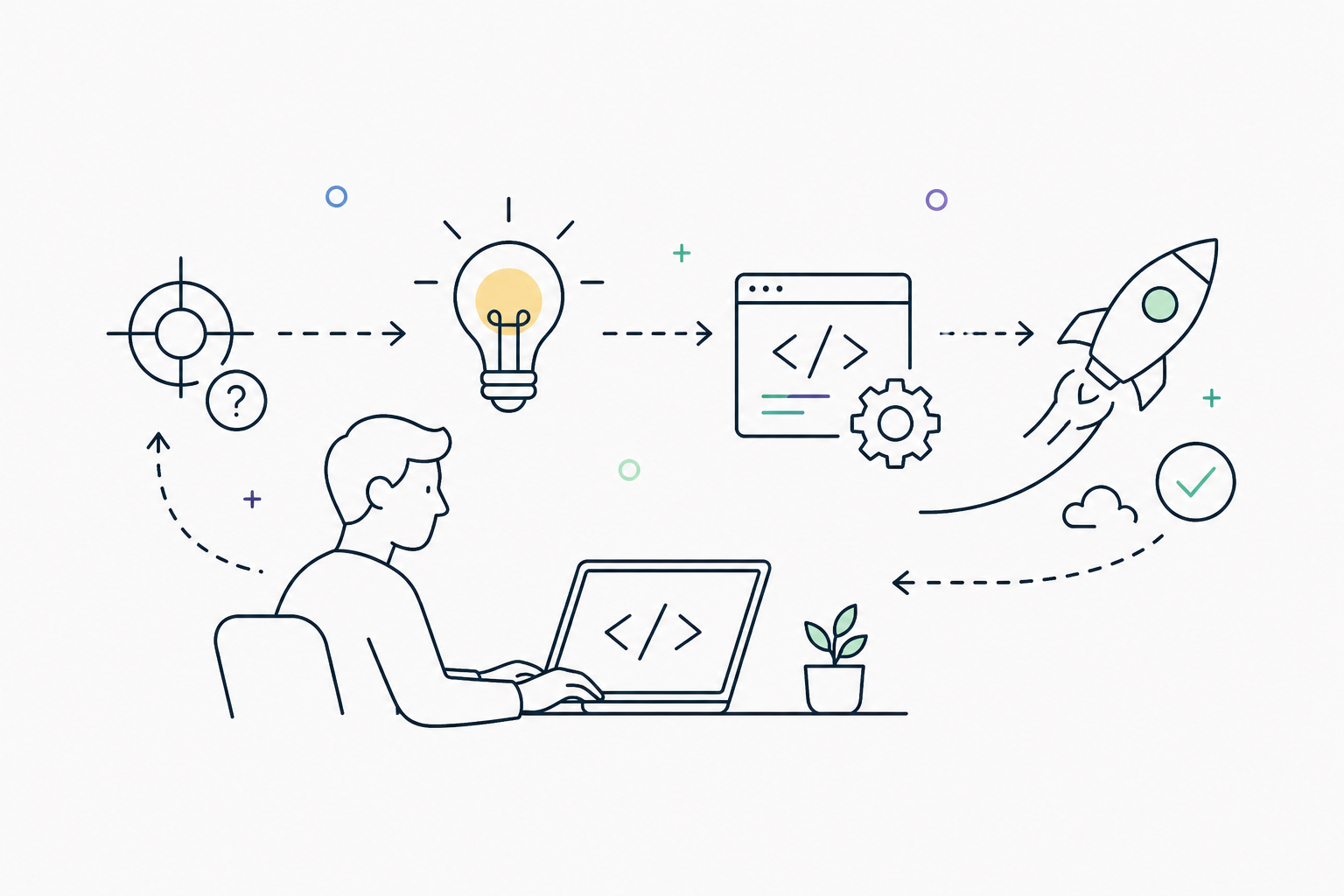
For the past few months I've been using the term Pragmatic Innovation without actually defining what it was. Luckily ChatGPT came to the rescue and... it nailed my thoughts on this. Let me know what you think
In an industry where buzzwords like “disruptive,” “revolutionary,” and “moonshot” often dominate headlines, it’s easy to mistake flashy change for meaningful progress. But for most teams building real-world software, innovation doesn’t look like inventing the next AI unicorn or pivoting to the metaverse. Instead, it looks like steady, thoughtful, incremental improvements. This is pragmatic innovation—a mindset that values impact over novelty, sustainability over spectacle, and outcomes over optics.
What is Pragmatic Innovation?
Pragmatic innovation is the practice of introducing meaningful improvements to products, processes, or practices in a way that is grounded in real constraints and real value. It’s not about ignoring cutting-edge ideas—it’s about filtering them through the lens of what’s useful now and what’s sustainable next.
Rather than chasing every new framework or rewriting your app every six months, pragmatic innovation involves asking:
Will this change make things measurably better for our users or developers?
Can we validate the benefit before fully committing?
Is the cost of change justified by the value it creates?
In other words, it’s not innovation for its own sake—it’s innovation with purpose.
Why It Matters
Reduces Technical Debt Wisely Many “innovations” become tomorrow’s tech debt when they’re implemented without a clear, pragmatic reason. By being deliberate and grounded, teams can modernize their stack or architecture in ways that genuinely reduce complexity rather than shift it around.
Builds Trust and Momentum Pragmatic innovation tends to yield more consistent wins. These incremental successes build trust among stakeholders, increase developer morale, and often deliver value faster than large, risky rewrites or over-engineered solutions.
Prepares You for Bigger Leaps Ironically, a pragmatic approach doesn’t mean never making bold changes—it just means being ready for them. By continuously improving in measured ways, your codebase, team, and culture are better positioned to make bigger strategic moves when the time is right.
Examples of Pragmatic Innovation in Practice
Replacing fragile manual deployment scripts with a simple CI/CD pipeline before investing in a complex internal platform.
Incrementally adopting TypeScript or static typing in high-risk parts of a JavaScript codebase rather than doing a full rewrite.
Using feature flags and canary releases to experiment safely with new features instead of hard launches.
Introducing targeted observability tooling (like OpenTelemetry or Honeycomb) to improve debugging and reduce downtime—without boiling the ocean.
How to Foster a Culture of Pragmatic Innovation
Celebrate Thoughtful Change Reward engineers not just for flashy ideas, but for well-reasoned ones—especially those that eliminate unnecessary complexity or improve the developer experience.
Encourage Hypothesis-Driven Development Innovation should start with a hypothesis: “If we do X, we expect Y.” This creates space for experimentation while anchoring efforts in measurable impact.
Maintain a "Tech Radar" Keep track of emerging tools and ideas, but evaluate them through the lens of team readiness, business fit, and long-term maintainability.
Balance Short-Term Pressure with Long-Term Thinking Pragmatic innovation thrives where teams are empowered to take a breath, evaluate their options, and not always optimize for the next sprint demo.
Final Thoughts
Innovation doesn’t always need to be headline-worthy. In fact, the best software innovations often go unnoticed because they quietly make everything smoother, faster, and more reliable. Pragmatic innovation isn’t about staying still—it’s about moving forward with intention.
In a field defined by change, the smartest teams know that how you change matters just as much as what you change. So ask yourself: what small, smart change can we make today that our team—and our users—will thank us for tomorrow?